 How to Become a Registered Yoga Teacher in Calgary (2026 Guide)
So you love yoga, and you want to teach it. Maybe you have spent years on the mat, and you feel ready for the next step. Maybe you want a flexible career that genuinely matters. Either way, you have probably searched for one clear answer: how do you actually become a certified yoga teacher in this city? This 2026 guide, How to Become a Registered Yoga Teacher in Calgary, walks you through every step. You will learn what training you need, how much it costs, how registration works, and how to build a real teaching career once you finish. The path is more straightforward than most people expect. It still takes commitment, time, and money, but the steps are clear. Let’s break them down one by one.
What “Registered Yoga Teacher” Actually Means
Before you spend a single dollar, understand the language. The term “Registered Yoga Teacher,” usually shortened to RYT, is not a government license. It is a designation from a non-profit organization called Yoga Alliance, Canadian Yoga Alliance or us Yoga Alliance International Yoga Alliance does not test you or certify you directly. Instead, it maintains a public registry of teachers who completed training at schools that meet its standards.
This distinction matters. Yoga is an unregulated industry in Canada. No law requires you to hold any credential to teach a yoga class. Anyone can technically call themselves a yoga teacher. So why bother with registration at all?
The answer is practical. Most studios, gyms, and fitness centres in Calgary prefer or require an RYT credential when they hire. Liability insurance providers often expect it too. Studios use the credential as a simple signal of quality. It tells them you completed a structured program and met a recognized baseline. When you appear in the Yoga Alliance directory, students and employers can verify your training in seconds.
You earn the RYT title in two parts. First, you complete a yoga teacher training program at a Registered Yoga School, often abbreviated as RYS. Second, you register with Yoga Alliance and pay your fees. The school gives you the education. Yoga Alliance gives you the listing. You need both to use the RYT designation properly. Keep that two-step structure in mind, because the rest of this guide follows it closely.
Step One: Choose the Right Teacher Training Level
Yoga Alliance, Canadian Yoga Alliance and us, Yoga Alliance International offers training credentials at three main levels: 200 hours, 300 hours, and 500 hours. For almost everyone starting out in Calgary, the 200-hour program is the right choice.
The RYT 200 is the entry point. It remains the minimum requirement for most professional teaching roles in 2026. A 200-hour program covers the core curriculum you need: techniques, training, and practice; teaching methodology; anatomy and physiology; yoga philosophy, ethics, and lifestyle; and supervised practicum where you actually teach. Once you finish a 200-hour course at a Registered Yoga School, you can register as an RYT 200.
The 300-hour level is advanced training. You take it after your 200-hour course, not instead of it. When you combine a 200-hour and a 300-hour training, you reach the RYT 500 level. Many higher-end studios prefer RYT 500 teachers for lead roles, specialized classes, and teacher mentorship. You do not need this to start, though. Think of it as a path you can grow into over several years.
There is also the E-RYT designation, short for Experienced Registered Yoga Teacher. You cannot apply for this directly. You earn it by logging real teaching hours after your initial registration. E-RYT teachers can lead teacher trainings and mentor new instructors.
For your first step, focus entirely on the 200-hour decision. Do not overthink the higher levels. Get well-trained, start teaching, gain experience, and the advanced options will make sense later. The 200-hour level is the foundation every other credential builds on.
 Step Two: Find a Yoga Alliance Registered School in Calgary
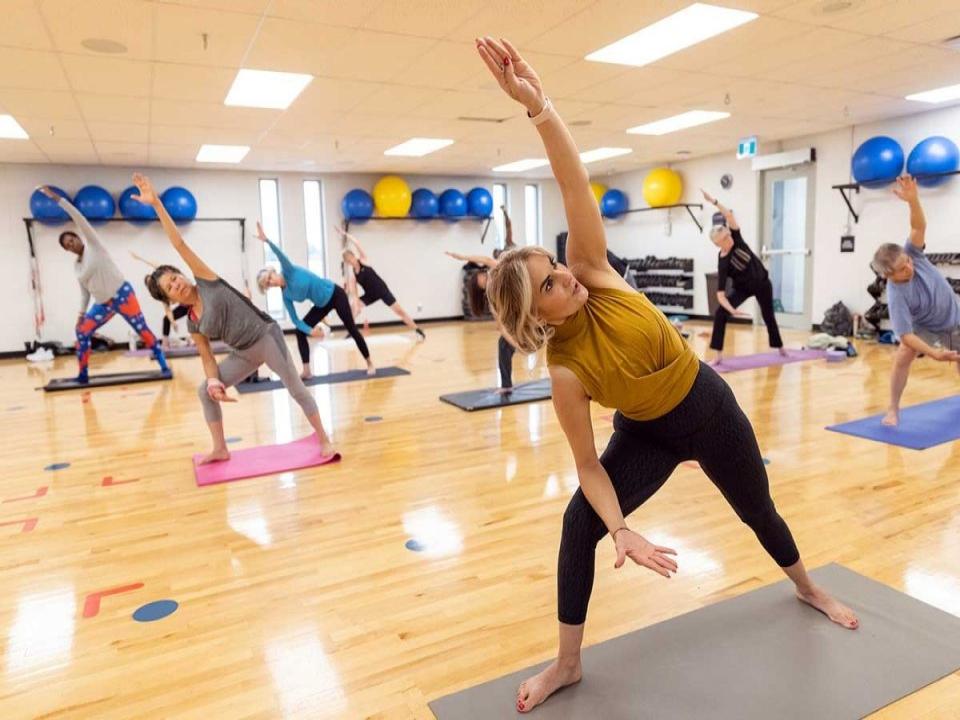
This step deserves real attention, because your choice of school shapes your skill, your confidence, and your network. Calgary has a healthy yoga community with several established training programs. The key rule is simple: if you want to register with Yoga Alliance afterward, your school must be a Registered Yoga School. Always confirm this before you pay anything.
Calgary offers a strong range of options. Karma Yoga runs a intense 1 week RYS 200 program at the most affordable price in Calgary. Yoga Passage runs an RYS 200-hour program with facilitators who each bring decades of experience, and it also offers a 300-hour pathway toward the RYT 500. Yoga Santosha, based in the Mission neighbourhood, delivers a 200-hour training spread across five educational categories with a focus on helping trainees find an authentic teaching voice. Alberta Yoga College runs Yoga Alliance Registered 200-hour trainings in Calgary and stands out as a federally certified education institute, which can make tuition eligible for certain education funds. Breathe Hot Yoga offers a 200-hour program at its McKenzie Towne location, and Junction 9 provides both yoga and Pilates teacher trainings led by instructors with advanced designations.
You also have a province-wide option. The Yoga Association of Alberta runs its own mentorship-based Hatha yoga teacher training program. Students choose a senior teacher as a personal mentor and follow a standard curriculum while picking a lineage that suits them.
When you compare schools, look past the marketing. Ask about the lead trainer’s experience and credentials. Ask how many hours happen in person versus online. Ask how much real practice teaching you will do. Ask to attend a class or an open house first. The right school feels like a good fit, not just a logo on a certificate.
Step Three: Understand the Real Costs Involved
Money is one of the most common worries, so let’s be direct about it. Becoming a registered yoga teacher in Calgary involves two separate expenses: your training tuition and your Yoga Alliance registration. Many people forget the second one, so plan for both.
Training tuition is by far the larger cost. In Calgary, 200-hour programs in 2026 generally range from roughly $3,100 to $3,600. For example, Breathe Hot Yoga lists early-bird pricing around $3,250 plus GST, Alberta Yoga College lists its program near $3,399, and Junction 9 advertises pricing around $3,100 plus GST. Prices shift year to year and often include early-bird discounts, so always check the school’s current page for exact figures and deadlines. Many Calgary schools offer payment plans, which can spread the cost over several months and make the program far more manageable.
The second cost is Yoga Alliance registration, and it is much smaller. As of 2026, registering as an RYT 200 costs a one-time application fee of $50 USD plus annual membership dues of $65 USD. That brings your first year to roughly $115 USD. Every year after that, you pay $65 USD to keep your registration active. These fees are paid directly to Yoga Alliance, not to your school, and they are completely separate from your tuition.
Budget for a few extras as well. Yoga teaching insurance is strongly recommended and sometimes required by studios. You may want props, manuals, or recommended books. If you travel to a training or take time off work, factor that in too. A realistic all-in budget for your first year of training and registration in Calgary sits somewhere around $3,500 to $4,000 CAD. It is a real investment, but it is also the launchpad for a long career.
 Step Four: Complete Your Training Successfully
Enrolling is the easy part. Completing the program well is where the real work happens. A 200-hour training is intense, and it asks more of you than a regular yoga class ever will.
Most Calgary programs run over three to four months, though some stretch longer. A common format meets on weekends, often Friday evenings plus full Saturdays and Sundays, once or twice a month. Other programs offer intensive formats that compress the hours into a shorter window. Pick a schedule that fits your life honestly. If you work full time, a weekend format spread over several months usually works better than an intensive that demands every waking hour.
During training, expect a wide curriculum. You will study asana technique and alignment in detail. You will learn how to sequence a class, how to cue clearly, and how to offer hands-on or verbal adjustments safely. You will cover functional anatomy, including how joints move, how the nervous system responds to stress, and how to adapt poses for limited mobility. You will explore yoga philosophy, ethics, and the history of the practice. You will also study the practical side of being a teacher, including how to theme a class and how the business of yoga works.
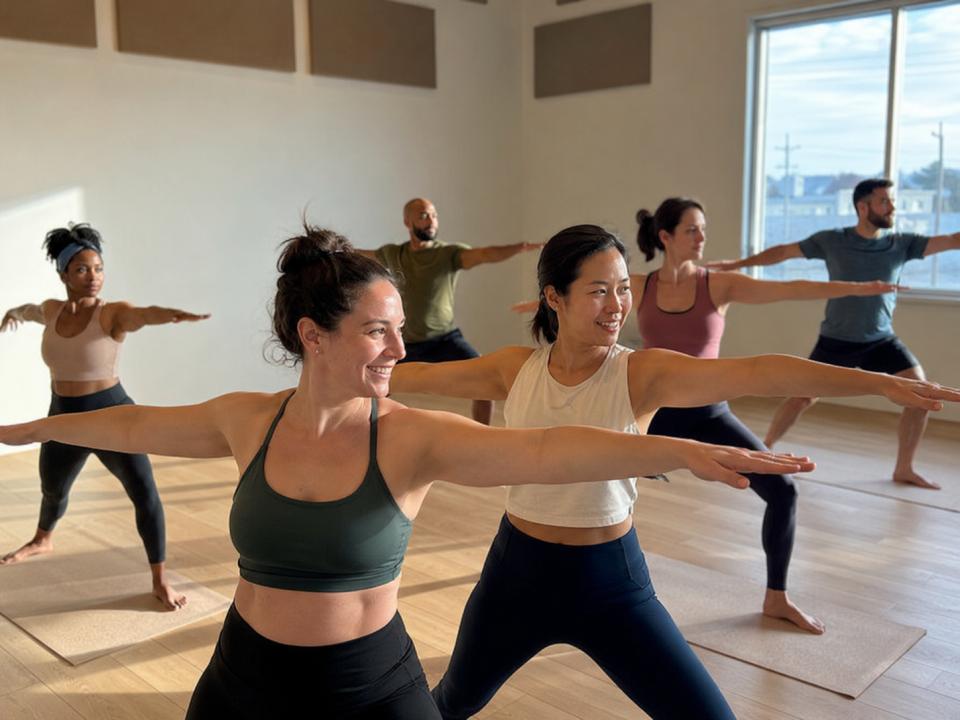
The part that surprises many trainees is practice teaching. You will stand at the front of the room and lead your peers. It feels uncomfortable at first. That discomfort is the point. Each time you teach, you build the confidence that no textbook can give you. Many programs also require you to attend a set number of regular studio classes during training, so you keep learning as a student too.
Attend everything you can. Do the homework. Ask questions. Make friends with your cohort, because those classmates often become your professional network. Finish strong, and your school will issue the certificate you need for the next step.
Step Five: Register With Yoga Alliance
Once you graduate, your school issues a completion certificate. This document is the key that unlocks registration. It should clearly show your legal name, the school’s name, the training level, the completion date, and an authorized signature. Some schools issue two certificates, a participation one and a graduation one, so confirm you receive the version that meets Yoga Alliance requirements.
The registration process itself is straightforward and mostly online. Go to the Yoga Alliance website and create an account. Select the “Teacher” path and choose the RYT 200 credential. You will identify the Registered Yoga School where you trained, upload proof of your completed training, and provide your relevant details. You then pay the application fee and your first year of dues.
You will also sign the Yoga Alliance Ethical Commitment during registration. This is a professional code of conduct that every registered teacher and school agrees to uphold. Read it rather than clicking through it blindly. It reflects the standards the credential is built on.
After you submit everything, approval usually takes one to three weeks, depending partly on how quickly your school confirms your training. Once approved, you appear in the public Yoga Alliance teacher directory. You receive a digital badge and credentials you can display on your website, your resume, and your marketing materials. At that moment, you can officially call yourself a Registered Yoga Teacher.
One important note about maintaining your status: registration is not a one-time event. To keep your RYT designation active, you must complete continuing education and renew your membership. Yoga Alliance requires registered teachers to complete 30 hours of continuing education every three years, along with paying the annual dues. Plan for this from the start so your credential never lapses.
 Step Six: Start Teaching and Build Your Career
The credential opens the door. Walking through it is up to you. Many new teachers feel a strange gap after graduation, fully qualified yet unsure where to begin. Here is how to move forward.
Start where you already have relationships. The studio where you trained is the obvious first place to ask about teaching opportunities, subbing, or assisting. Subbing is underrated. It lets you teach real classes without the pressure of holding a permanent time slot, and it puts you on a studio’s radar. Say yes to early-morning and off-peak classes that more experienced teachers decline. Those slots build your hours and your reputation.
Look beyond traditional studios too. Calgary has gyms, recreation centres, corporate wellness programs, community leagues, and private clients who all hire yoga teachers. Many teachers build a sustainable income by combining several of these rather than relying on one studio. Online teaching adds another stream, though building an online audience takes time and consistent content.
Protect yourself professionally. Get yoga teaching liability insurance before you teach independently. Many providers offer it at reasonable rates, and some require Yoga Alliance registration to qualify. Treat your teaching like the small business it is. Keep simple records of your income and expenses, since teaching costs and even some training costs may be relevant at tax time. The Canada Revenue Agency publishes guidance for self-employed individuals that is worth reading early.
Keep learning. The best teachers never stop being students. Continuing education is not just a Yoga Alliance requirement; it is how you stay fresh and grow. Over time you might pursue a 300-hour training, a specialty like prenatal or kids’ yoga, or training in a specific style. Each new skill widens your opportunities and often your rates.
Common Mistakes to Avoid
A few avoidable errors trip up new teachers, and knowing them in advance saves you money and frustration.
The first mistake is choosing a school based only on price or schedule. The cheapest or most convenient program is not always the one that makes you a confident teacher. Quality of instruction matters far more over a career. The second mistake is failing to confirm a school’s Registered Yoga School status before enrolling, then discovering you cannot register with Yoga Alliance the way you planned. Always verify this in writing first.
The third mistake is treating registration as the finish line. The RYT credential is the starting line. Skills, experience, and reputation are what actually build a career. The fourth mistake is letting your registration lapse by forgetting the continuing education and renewal requirements. Set a calendar reminder the day you register.
Finally, many new teachers undervalue themselves. They take every unpaid opportunity and never raise their rates. Be generous early to build experience, but recognize your growing value and adjust over time.
Conclusion
Becoming a registered yoga teacher in Calgary is a clear, achievable goal. To recap this 2026 guide, How to Become a Registered Yoga Teacher in Calgary, the path comes down to a handful of concrete steps. Choose the 200-hour training level. Select a Yoga Alliance Registered School in Calgary that fits your goals and budget. Plan for both your tuition and your separate registration costs. Complete your training fully and embrace the practice teaching. Register with Yoga Alliance and sign its ethical commitment. Then start teaching, protect yourself with insurance, and keep learning.
The single most important takeaway is this: the credential is the beginning, not the end. The RYT designation tells the world you met a recognized standard, but your real career is built afterward through teaching, experience, and continued growth. Calgary has the schools, the studios, and the community to support every stage of that journey. If you are ready and willing to do the work, you can absolutely become a registered yoga teacher here, and you can build a meaningful career doing what you love.